The Benefits of Professional Tree Services: Understanding Tree Removal and Trimming
Skilled tree service providers play a critical role in preserving the safety and vitality of surrounding landscapes. Consistent trimming and removal efforts not only minimize dangers but also strengthen tree vitality. Homeowners frequently underestimate how professional tree maintenance influences property value. Understanding the underlying significance of these services can lead to more informed decisions. What signs indicate that trees may require expert intervention, and how can one choose the right professionals for such tasks?
Why Proper Tree Care Matters for Safety and Health
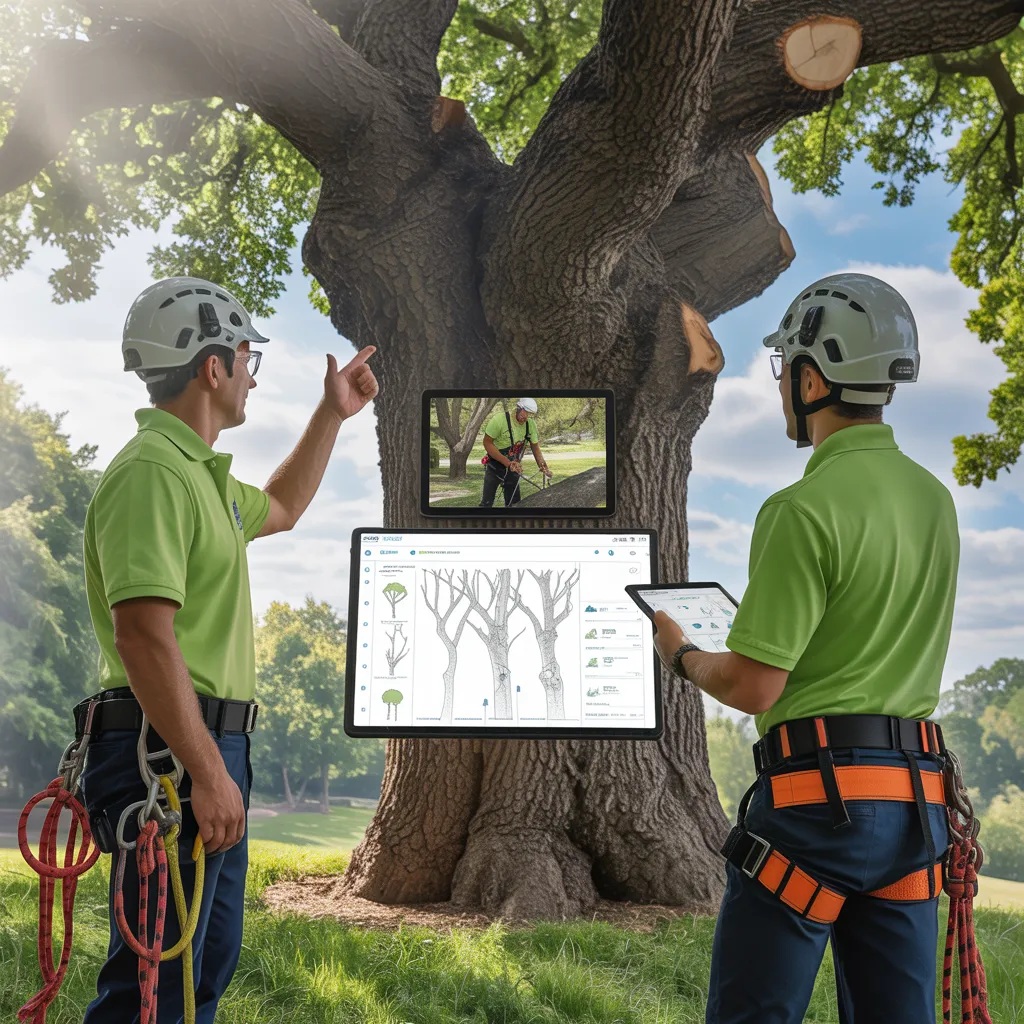
Adequate tree maintenance is crucial for preserving safety and well-being in both home and professional landscapes. Thriving trees improve the general appearance of a property while offering shade and enhancing air quality. On the other hand, poorly maintained trees can turn into dangers, with decaying limbs presenting dangers of dropping during storms or strong winds. Furthermore, trees impacted by pests or illnesses can transmit these problems to surrounding plants, threatening complete landscapes.
Routine maintenance, including trimming and pruning, not only strengthens a tree's structural integrity but also encourages healthy growth. This proactive approach reduces the likelihood of tree-related accidents and property damage. Furthermore, healthy trees can reduce soil erosion and sustain local wildlife, contributing beneficially to the ecosystem. Committing to proper tree care ultimately ensures the safety of individuals and structures, while cultivating a flourishing environment that benefits both people and nature.
The Role of Professional Services in Enhancing Safety
Professional tree services play a significant role in promoting safety by making certain that trees remain properly maintained and structurally stable. Regular inspections and maintenance prevent potential hazards, such as falling branches or uprooted trees, which may create hazards for people, structures, and vehicles. Qualified arborists hold the skills to recognize fragile or infected limbs that might threaten tree stability, addressing these issues before they escalate.
Furthermore, professional tree care methods make certain trees are trimmed correctly, lowering the risk of unexpected breakage during storms or strong winds. Proper equipment and safety protocols are employed, limiting dangers during tree removal or pruning operations. This expert methodology not only safeguards the surrounding landscape but also limits liability for property owners. By focusing on safety through skilled expertise, expert tree care providers establish a safe outdoor environment, allowing homeowners to enjoy their landscape without fear of sudden tree-related incidents.
How Skilled Care Helps Your Trees Stay Healthy
Maintaining tree health requires the right blend of skill and ongoing attention. Reputable tree service providers utilize skilled arborists with comprehensive understanding of tree biology, allowing them to detect problems before they worsen. Scheduled assessments aid in uncovering diseases, pests, and deficiencies, providing the foundation for swift and effective treatment.
Expert care includes appropriate pruning techniques that promote healthy growth and remove dead or diseased branches. This not only supports the tree's general wellbeing but also boosts airflow and light penetration. Professional fertilization and mulching additionally strengthen tree health by delivering key nutrients and improved moisture preservation.
Moreover, professional services can identify the most suitable tree species for particular environments, ensuring long-lasting sustainability. Through fostering ideal conditions for growth and tackling issues proactively, skilled tree care greatly contributes to the well-being and longevity of trees, in turn resulting in a healthier landscape.
Why Tree Maintenance Boosts Property Value
Routine tree upkeep significantly improves a residential property's curb appeal, establishing a lasting first impression for potential buyers. A well-maintained landscape not only looks attractive but also promotes a thriving natural habitat, fostering biodiversity. These factors collectively boost property value, making tree care an essential investment for homeowners.
Improved Curb Appeal
When homeowners prioritize tree maintenance, they not only improve the visual appeal of their property but also significantly raise its market value. Properly cared-for trees add to a home's overall charm, creating a welcoming environment for potential buyers. Rich, well-kept foliage can function as a natural frame for the house, drawing attention to architectural features and landscaping. Conversely, neglected trees can detract from a property's attractiveness, suggesting underlying problems to prospective buyers. Routine pruning and elimination of damaged or excessive branches improve visibility and light exposure, while enhancing the overall scenery. Essentially, utilizing professional tree care ensures that the exterior stays appealing and lively, strengthening the home's appeal in a competitive market.
Enhanced Landscape Ecosystem
A vibrant landscape ecosystem is vital for increasing property value, as it cultivates a well-rounded environment that serves both flora and fauna. Routine tree care, including trimming and removal, guarantees healthy growth and vigor of trees, which serve a vital function in the ecosystem. Healthy and maintained trees deliver shade, enhance air quality, and maintain wildlife habitats, all contributing to a more appealing outdoor space. Furthermore, a well-kept landscape can reduce soil erosion and foster biodiversity, making properties more attractive to potential buyers. Investing in professional tree services not only boosts curb appeal but also establishes a lasting environment, ultimately raising the overall property value. Those who invest in regular tree upkeep enjoy both environmental and financial benefits.
Common Signs Your Trees Need Professional Attention
Trees often show a number of warning signs that suggest the necessity of professional care. Deteriorating leaves and bark, structural weakness, and dead or dying branches are key indicators that should not be ignored. Resolving these problems quickly can stop further deterioration and secure the tree's overall health.
Diseased Leaves and Bark
Compromised leaves and bark are warning signs of potential problems that could endanger a tree's well-being. Discoloration, such as yellowing or browning leaves, often indicates nutrient deficiencies or disease. Additionally, wilting or premature leaf drop can suggest stress or infestations. Problems with bark, such as cracks, peeling, or color changes, can expose underlying diseases or pest-related damage. Fungal development on the bark is often a sign of decay that can undermine the tree's structural integrity. Observing these symptoms early is essential, as they often escalate without intervention. Professional tree services can diagnose the issues accurately, providing appropriate treatments or recommending removal if necessary. Dealing with damaged leaves and bark in a timely manner supports the tree's overall health and benefits the surrounding environment.
Structural Weakness or Leaning
When trees show signs of structural instability or lean significantly, it frequently indicates underlying problems that necessitate professional evaluation. Trees that lean may be attributed to numerous factors, including root damage, soil erosion, or inadequate anchorage. This kind of instability creates hazards not only to the tree's condition but also to adjacent structures and individuals. A tree that leans excessively may be more susceptible to falling during storms or strong winds, creating potential hazards. Moreover, evidence of uneven growth or lopsided canopies may signal that a tree is finding it challenging to preserve its balance. Experts armed with the proper tools and content knowledge can assess the situation, identify the cause, and suggest suitable interventions, safeguarding both the tree and its surrounding environment.
Dead or Dying Branches
Observing dead or dying limbs is a strong indication that a tree may need professional attention. These branches can compromise the overall health of the tree, making it vulnerable to pests and diseases. Additionally, they present a safety hazard, as they can fall unexpectedly, potentially causing injury or property damage. A tree showing signs of dead or dying branches may also point to underlying issues such as disease, root damage, or insufficient nutrients. Routine evaluation by a certified arborist can help assess the tree's condition and identify the best course of action. Prompt action not only enhances the tree's health but also promotes a safer environment for surrounding properties and people. Addressing these issues promptly can prevent more extensive problems in the future.
How to Select the Top Tree Care Professionals
How can someone ensure they choose the most skilled tree care experts? To begin, it is important to investigate local services and review customer feedback. A reputable company should have positive feedback and testimonials that highlight their expertise and reliability. Certifications and affiliations with professional organizations also indicate a commitment to industry standards and ongoing education.
As a next step, prospective customers should ask about insurance and licensing. A reputable tree care specialist must possess liability insurance and be fully licensed to provide services in your area. This covers both the client and the tree care workers.
In addition, obtaining several quotes allows for comparing rates and services, ensuring that homeowners reach well-informed choices. To conclude, evaluating a contractor's proficiency during preliminary meetings can reveal their level of expertise. By applying these recommendations, individuals can assuredly choose a tree care specialist who addresses their particular requirements and guarantees the care and preservation of their valuable trees.
Frequently Asked Questions
What Is the Typical Cost of Professional Tree Removal?
Hiring a professional tree removal service usually falls between $200 and $2,000, influenced by factors like tree dimensions, site conditions, and removal complexity. Extra costs can result from required permits or the use of specialized machinery.
What Time of Year Is Best for Tree Trimming?
The ideal time for trimming trees is commonly recommended in the late winter or early spring months before new growth begins. This schedule encourages healthy regrowth and limits unnecessary stress on the tree, ensuring ideal health and appearance.
Are There Regulations Governing Tree Removal in My Area?
Indeed, there are frequently rules overseeing the removal of trees, which vary by location. It is recommended that people consult with nearby municipal authorities or environmental organizations to clarify the exact requirements and permissions needed for tree cutting.
Am I Able to Perform Tree Care Safely on My Own?
Conducting tree maintenance on your own poses significant risks in the absence of adequate knowledge and tools. Safety measures, appropriate tools, and understanding of tree biology are essential. Seeking help from a qualified professional is frequently advised to ensure both safety and proper care.
What Tools Do Tree Service Experts Use?
Specialists utilize various gear for tree services, including pruning shears, chainsaws, stump grinders, wood chippers, and aerial lifts. These specialized tools ensures efficiency, safety, and precision while overseeing tree removal and maintenance tasks proficiently.